


CESSMIR conference ‘Looking back, moving forward: migration studies in times of societal transformation’
14 September 2026
–
16 September 2026
9:00 am
–
7:00 pm
Ghent University, Campus Dunant, Henri Dunantlaan 2, Ghent, Belgium
In celebration of its 10th anniversary, CESSMIR invites researchers, practitioners, NGO representatives, volunteers, activists, and policymakers to join for a conference exploring migration studies in a changing societal landscape. Our call for contributions is open, registration (both for contributors and non-contributors) will open in March 2026.
This conference not only marks a decade of CESSMIR’s dedication to advancing the study of migration and refugees, but also aims to create a vibrant space for dialogue, reflection, and collaboration. Join us as we look back at the major changes in the last ten years, and envision new paths forward, strengthening the links between research, practice, and societal impact.
Thematic streams
In a context of rapid and often turbulent societal transformation, migration researchers are increasingly called upon to reflect on how their work engages with and responds to shifting global and local dynamics. This conference invites contributions that critically explore how migration intersects with key sites of inequality, contestation, and change. Across education and healthcare systems, persistent ethnoracial disparities reveal how structural and interpersonal forms of discrimination continue to shape migrant experiences. Language and religion, meanwhile, emerge as potent boundaries in processes of racialisation and exclusion. At the borders, the intensification of violence, the erosion of legal protection, and the criminalization of mobility challenge the principles of solidarity and justice. In response, scholars and activists are developing alternative, community-based approaches to migration and border governance. Simultaneously, calls to decenter and decolonize migration studies are gaining ground.
To deepen these discussions, the conference will be structured around six thematic streams that offer spaces to look back at critical debates in migration research, while moving forward in dialogue with ongoing societal transformations, with a focus on areas where CESSMIR researchers brought significant contributions. Furthermore, the conference also seeks to explore the dynamic interplay between migration research and policy, practice and activism, reflecting on the role of scholars and the impact of their work in this interplay.
- Ethnoracial inequalities in education
- Health at the intersections: migration, race, and inequality
- Multilingual borders of migration
- Entanglements of religion, race and migration
- Rethinking borders, solidarity and migration law
- Decolonial approaches to migration studies, narratives, practices
Programme
Monday 14/09
PhD pre-conference
- 08.30 Registration PhD pre-conference
- 09.00 PhD workshop
- 10.30 PhD pre-conference coffee
Main conference
- 10.00 Registration main conference
- 11.00 Opening keynote Nando Sigona: Migration studies at a critical conjuncture
- 12.30 Lunch
- 13.30 Parallel session 1
- 15.00 Coffee
- 15.30 Parallel session 2
- 17.00 End conference day
- 17.30 Walk ‘Walking Gate Areas: Hidden Pasts, Present Futures’ with historian Tina De Gendt
Tuesday 15/09
- 09.30 Parallel sessions 3
- 11.00 Coffee break
- 11.30 Keynote Martina Tazzioli: Hijacking migration containment within the conjuncture
- 13.00 Lunch break
- 14.00 Parallel sessions 4
- 15:30 Coffee break
- 16.00 Parallel sessions 5
- 17.30 End conference day and conference drinks
Wednesday 16/09
- 09.30 Parallel sessions 6
- 11.00 Coffee break
- 11.30 Closing roundtable: From Impact to Social Justice? Doing research on migration in a polarised climate
- 13.00 End conference

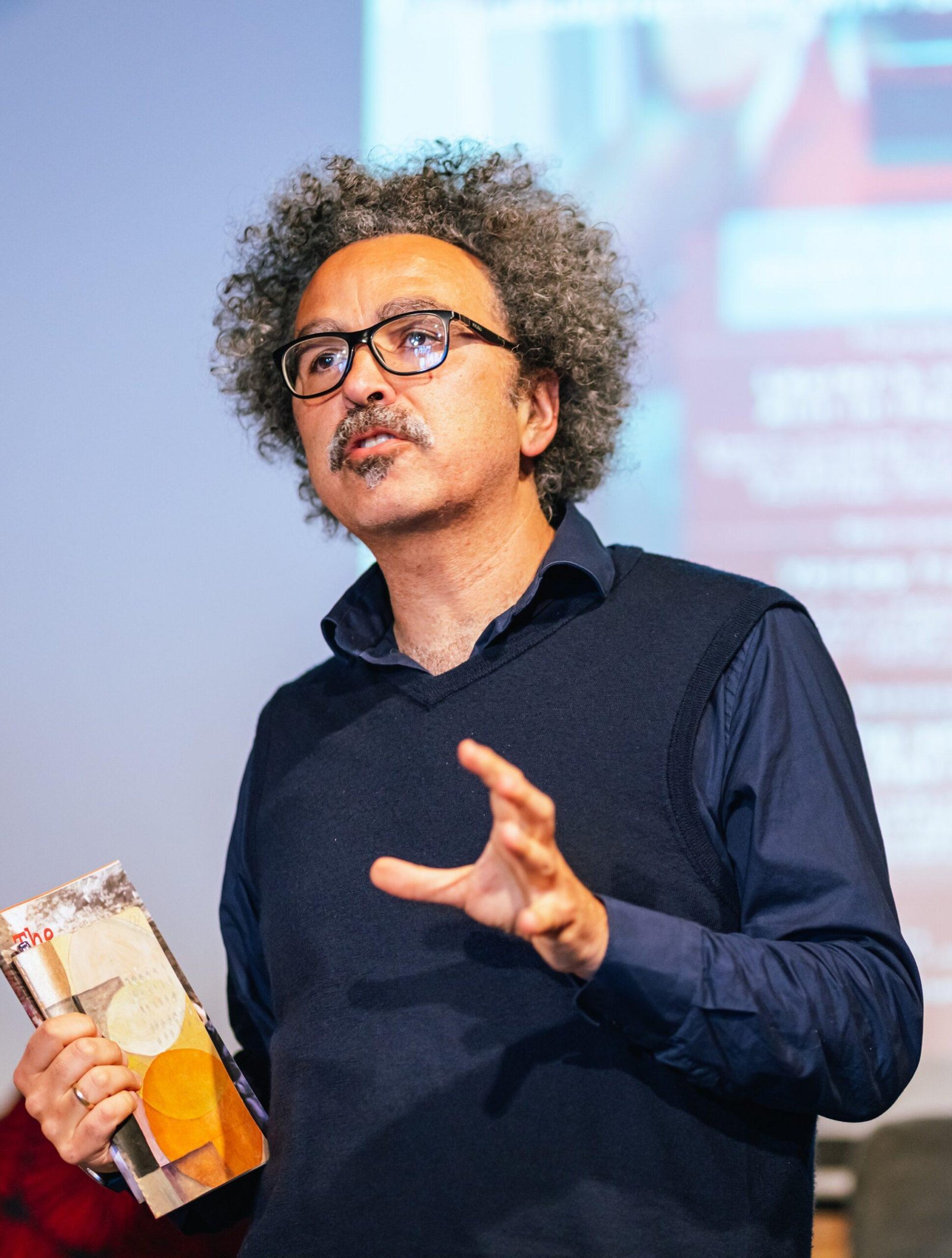
Keynote Nando Sigona: Migration studies at a critical conjuncture
Over the past two decades, migration studies has expanded in scope and depth, becoming increasingly canonized through academic journals, research centres, and international networks of experts. In an increasingly multipolar world marked by war, climate crises, and systemic inequality, the drivers of displacement are intensifying—particularly in the Global South, where the majority of forcibly displaced people reside. At the same time, migration governance in the Global North has become more restrictive and securitized, often reinforcing racialized narratives and exclusionary politics. This talk reflects on whether, how, and to what extent migration studies has been able to respond to and reflect these transformations. It considers how theoretical and methodological innovations—including reflexive and decolonial turns—have enabled scholars to better understand the entanglements of mobility, inequality, and everyday life.
Nando Sigona is professor of International Migration and Forced Displacement and director of the Institute for Research into International Migration and Superdiversity at the University of Birmingham, UK. Nando is a founding editor of the peer reviewed journal Migration Studies (Oxford University Press) and lead editor for Global Migration and Social Change book series by Bristol University Press. His research interests include: the migration and citizenship nexus; undocumented migration; naturalisation, denaturalisation and statelessness; Romani politics and anti-Gypsyism; asylum and EU; Brexit and intra-European mobility; and child and youth migration. Prof. Sigona has published in a range of international academic journals across disciplines.
Keynote Martina Tazzioli: Hijacking migration containment within the conjuncture
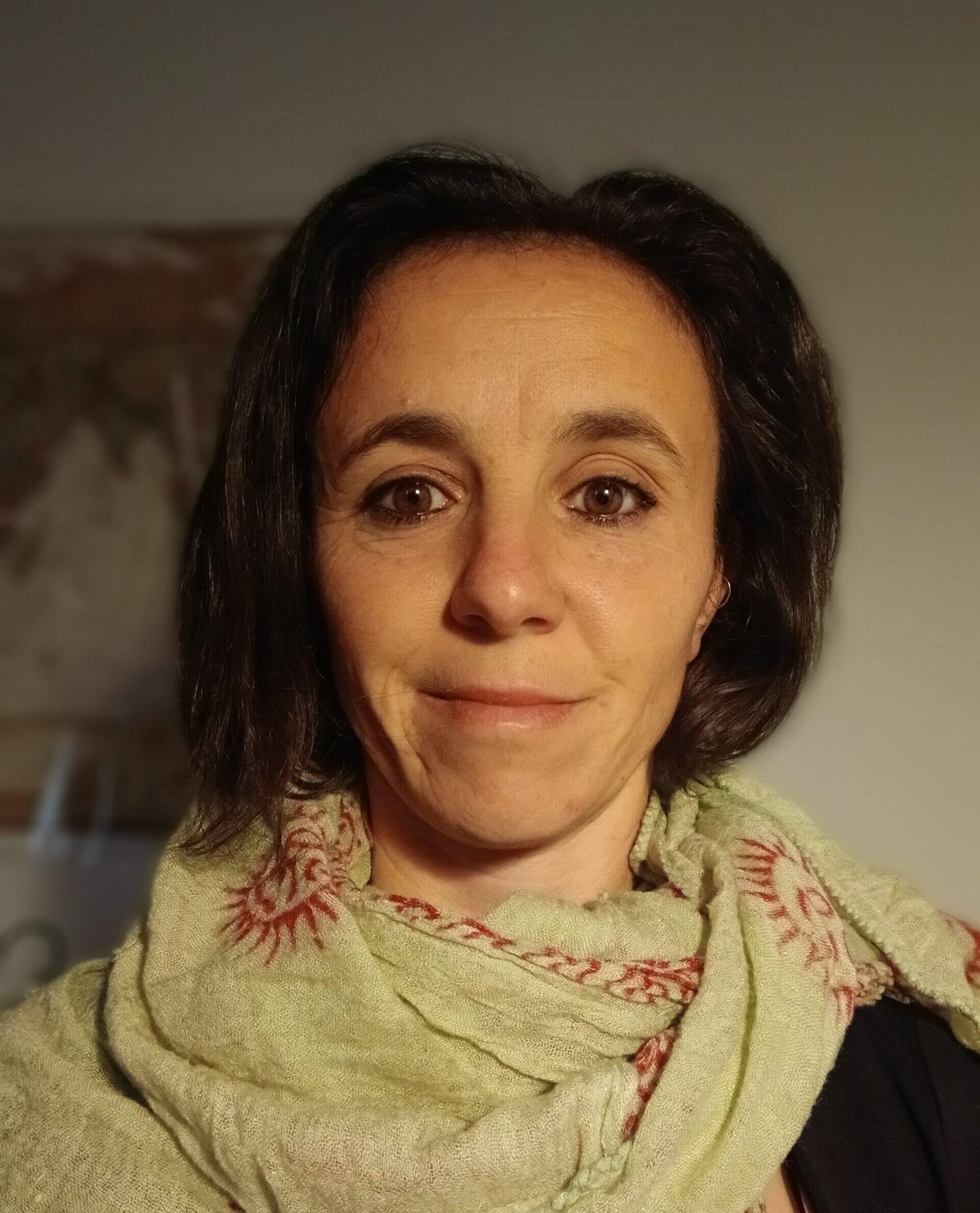
Over the last few years, critical migration scholarship has challenged ways of seeing migration like a State, has foregrounded the colonial legacies of the global politics of mobility; migration scholars have engaged in a “reflexivity turn”, calling for de-migranticise migration studies, and have problematized their positionality at the border. However, migration scholarship nowadays struggles in coping with the frantic changes in migration policies and the ongoing geopolitical turmoil. Scholarly works that aim at producing critical knowledge about the border regime should start from the present “migration conjuncture”, in which migration is no longer a drive for broader social struggles and mobilisations and where migrant persons are targeted by policies apt at debilitating them and eroding their lives. Thus, this presentation asks, what does it mean to re-articulate critical migration scholarship by mobilising a conjuctural analysis (Hall, 1976)? In fact, the centrality of migrant struggles over social reproduction activities and the increasing criminalisation of humanitarianism make hard nowadays to flatten a critique of the border regime onto binary oppositions – for instance, between humanitarian and activist interventions, or between claims for abolishing camps and one the one side and struggles for improving migrants’ living conditions. The laborious task of re-articulating a critique from within the conjuncture is not narrowed to targeting the actors responsible of border violence, nor can it resort to the myth of a “pure” radical politics. Rather, this presentation suggests a different pathway: this consists in “hijacking” (Garelli, Tazzioli, 2013) the epistemic-political assumptions of “migration management” envisioning an emancipatory politics of mobility that challenges the “organised abandonment” (Gilmore, 2007) by taking into account the ambivalences of humanitarianism, in a time of both withdrawal and criminalisation of humanitarian support, and of dismantling of life-support infrastructures.
Martina Tazzioli is Associate Professor in Geography at the University of Bologna. Her research focuses on migration and borders in Southern Europe and Mediterranean region. She is the author of “Border abolitionism: migration containment and the genealogies of struggles” (2023). The Making of Migration. The biopolitics of mobility at Europe’s borders (2019), Spaces of Governmentality: Autonomous Migration and the Arab Uprisings (2015) and co-author of Tunisia as a Revolutionised Space of Migration (2016).
Roundtable: From Impact to Social Justice? Doing research on migration in a polarised climate
Scholars of migration-related phenomena are increasingly asked to demonstrate the ‘impact’ of their research on both policy and practice. This confronts them with a conundrum: while many scholars in this field are engaged in working towards societal transformation and social justice, they find themselves in a heavily polarised climate in which meaningful changes are hard to obtain. As a whole, migration studies has recently been subjected to contradictory critiques: from being too liberal and ‘woke’ for right-wing populists that are rising to power across the globe, to being inherently ‘colonial’ and structurally racist for critical scholars and activists on the left. In this panel debate, we explore how scholars of migration, mobility and racism can and should reposition themselves in face of the current political climate. How should we respond to the public ‘obsession’ with migration? How can we address structural racism within the university? And how can we rethink how we teach and do research in a way that moves beyond the institutional requirements of generating ‘impact’, and contribute to social justice?
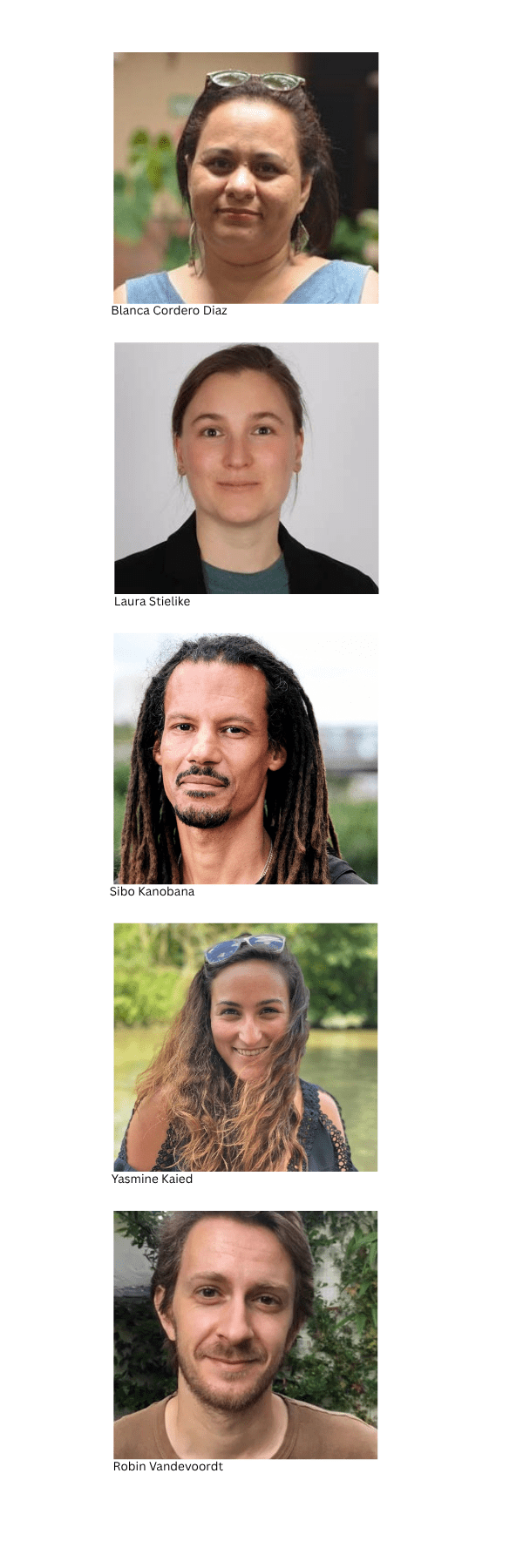
Blanca Cordero Diaz is a Research professor at the Institute of Social Sciences and Humanities of the BUAP (Mexico). Throughout her career, she has explored the forms of exploitation inherent in flexible labor; the class experience of transnational migrant workers from rural areas and their subjectivities. Empirically, she has studied migrants from Puebla in New York. She has written several book chapters and articles in specialized journals on these topics. Since 2011, she has addressed the issue of Central American migration transiting through Mexico, migrant struggles, and Central American caravans. Her latest book, Latin America in Motion: Migrations, Limits to Mobility, and Their Overflows (Traficantes de Sueños, UACM, 2019), co-authored with Amarela Varela and edited by Sandro Mezzadra, presents an approach that explores the subjective dimensions of migration, even in the most brutal forms of violence experienced by migrants moving through the region.
Laura Stielike is a postdoc at the Institute for Migration Research and Intercultural Studies (IMIS) at Osnabrück University. She investigates the digital transformations and moral economies of migration-related knowledge production in politics, academia, and civil society, currently focusing on digital resistance and counter-knowledge against anti-migration discourse. Laura also writes on reflexive methodologies, academic care work, and the power of language. Her PhD from FU Berlin provided a postcolonial analysis of the ‘migration&development dispositif’ regarding Cameroonian migration to Germany. Laura co-edits the Journal of Migration Studies and the Inventory of Migration Terms. She teaches migration, digitalisation, intersectionality, postcolonialism, and discourse analysis.
Sibo Kanobana is an associate professor of sociolinguistics and postcolonial theory at the Open University of the Netherlands. He is also an author and editor. He is the co-author of Bastaards van onze kolonie. Verzwegen verhalen van Belgische metissen (2010), the editor of the essay collection Zwarte bladzijden. Afro-Belgische reflecties op Vlaamse (post)koloniale literatuur (2021), and the author of Witte orde. Over ras, klasse en witheid (2024) and Lumumba’s droom. Wat zijn gedachtegoed ons vandaag kan leren (2025). He worked as an editor at rekto:verso from 2016 to 2024.
Yasmine Kaied is a doctoral researcher and teaching assistant in the Department of Orthopedagogy at Ghent University, where she is affiliated with the Disability Studies research group. Under the supervision of Prof. Dr. Elisabeth De Schauwer, she investigates how inclusion, diversity, and decolonisation can take shape within higher education. Her work examines how students who deviate from dominant normative expectations experience higher education, and how educational institutions can make their pedagogical practices, knowledge production, and structures more inclusive and just. In addition, she is involved in various university initiatives related to diversity, inclusion, and interfaith dialogue.
Moderater: Robin Vandevoordt is associate professor of migration studies at CESSMIR (UGent), where he has conducted and supported ethnographic research on the everyday politics of borders, solidarity, and policies of migration and ‘integration’. His research interests cut across the topics of social movements, humanitarianism, social work, migration law, and urban policies. At Ghent University, Robin teaches postgraduate courses on Social Movements & Solidarity, the Politics of Migration, and on Producing Knowledge About Migration.
PhD workshop: How to navigate migration research in an increasingly politicized and, at times, challenging research and policy environment
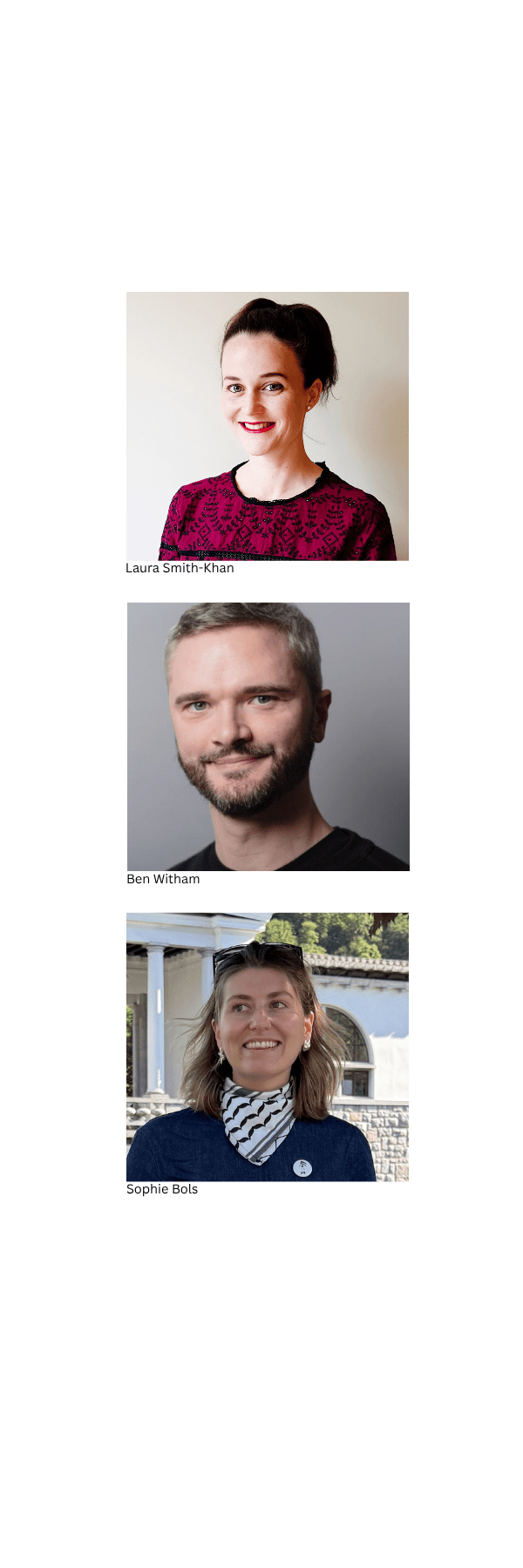
Migration researchers today – whether working in academia, civil society, policy, or other sectors – navigate a field that is becoming increasingly politicized and therefore, at times, challenging. This context affects their research practices in multiple ways: from securing funding to sharing research findings and everything in between. Organised by Sophie Bols (Ghent University), this workshop brings together two experts who experience these pressures from different institutional positions: Dr Laura Smith‑Khan (University of New England) and Dr Ben Whitham (Refugee Action).
In conversation, the speakers will reflect on the structural challenges that shape contemporary migration research. Among other things, they will discuss differences in research funding between academic and NGO settings, how they approach ethical considerations, their outreach and communication strategies, and the forms of impact they can or wish to realise. Laura and Ben will further examine how a shifting political and policy landscape affects their day‑to‑day research practice. They will consider how changing policy priorities, increasing polarization, and institutional constraints influence their work, and how they nonetheless strive for impact. They will discuss the strategies they have developed to meaningfully carry out their work within the current political climate.
The workshop concludes with an interactive Q&A, inviting participants to share their own experiences, concerns, and strategies. The aim is to offer PhD researchers concrete tools to navigate a research field that is – given the current political climate – urgent, but also institutionally challenging and often emotionally demanding.
Dr Laura Smith-Khan SFHEA is a Senior Lecturer in Law at the University of New England (Australia). She is also the first ever external affiliated member of the Centre for the Social Study of Migration and Refugees, Ghent University (Belgium). She is co-founder of the Law and Linguistics Interdisciplinary Research Network and incoming Co-Editor in Chief of the Australian Journal of Human Rights (UNSW). Laura was previously a Chancellor’s Research Fellow in the Faculty of Law at the University of Technology Sydney and was the 2022 recipient of the Australian Academy of the Humanities’ Max Crawford Medal, Australia’s most prestigious award for achievement and promise in the humanities. Her award-winning research examines the inclusion and participation of minoritized groups in legal settings, especially migration processes, addressing inequality.
Dr. Ben Whitham is Policy and Engagement Manager in the Movement Building and Lived Experience department at Refugee Action – a UK-based NGO supporting people seeking safety and campaigning for a better asylum system – and a Research Associate in the Department of Politics and International Studies at SOAS, University of London. Prior to joining Refugee Action, Ben was a full-time academic for eight years. He has published widely on austerity, Islamophobia, migration, asylum, and UK foreign and security policies. He is currently writing a fourth edition of his textbook Global Politics (London: Bloomsbury, 2023) and a new introductory textbook on international relations theory. Ben’s latest report for Refugee Action, published in April 2026, is Locked Out and Locked Up, which presents the findings of his cross-border research into lived experiences of asylum and systemic racism in the UK and northern France. Outside of his paid work, Ben remains a regular volunteer supporting people on the move around Calais and Dunkirk.
Organiser: Sophie Bols is a doctoral researcher at the Centre for Law, Families and Diversity and the Migration Law Research Group at Ghent University. Her PhD research examines how the European Union’s legal strategies on border governance produce and reinforce gendered constructions of racialised migrant masculinity.
Walking Gate Areas: Hidden Pasts, Present Futures
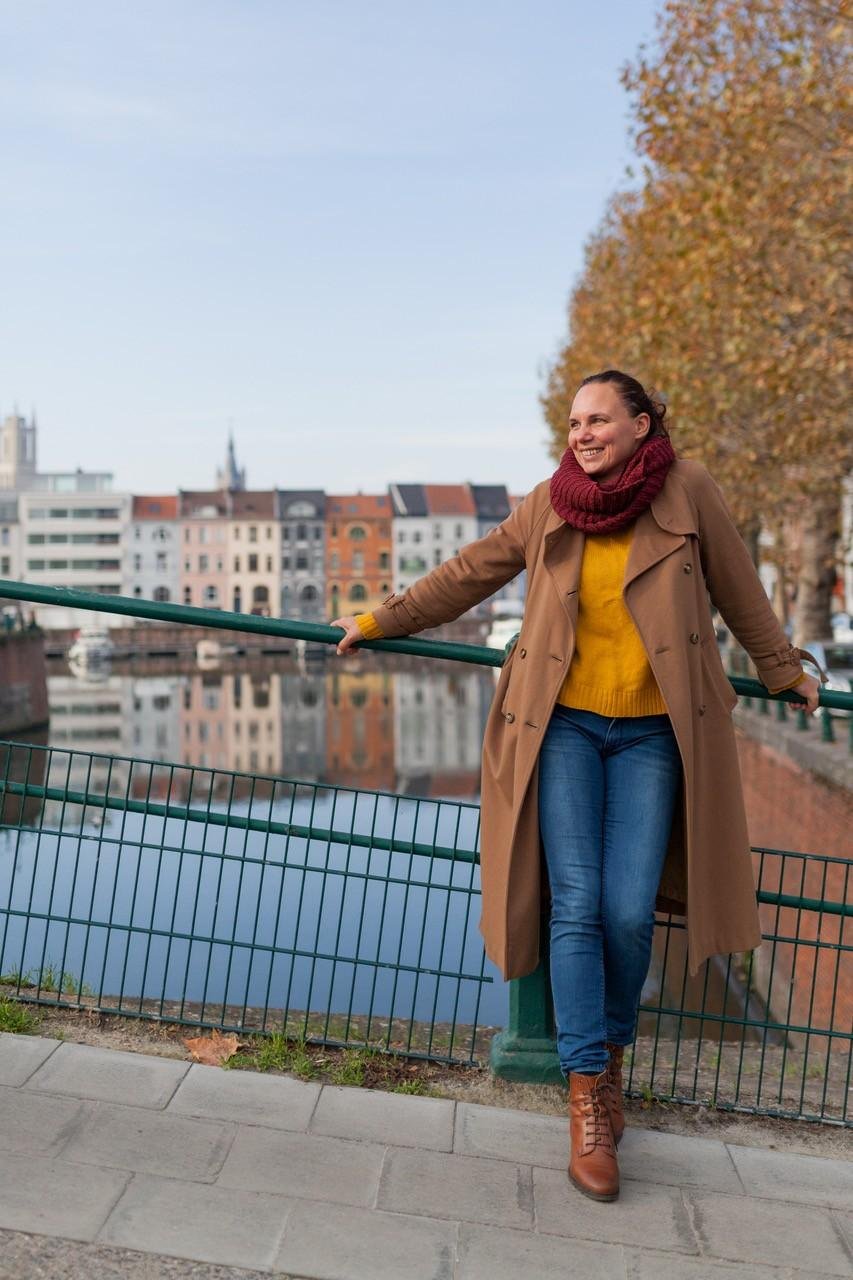
Who can imagine a city without its super-diverse hubs? But what’s their story? How have newcomers, activists, and grassroots organizations in these ‘gate areas’ shaped and reshaped urban life over the past two centuries? From the gate towers of the 19th century to the social mazes you’ll find there today, gate areas are full of hidden histories—narratives that challenge dominant ideas about the past, the present, and the future.
For the past seven years, public historian Tina De Gendt has been ‘re-negotiating’ the urban past of her hometown Ghent in a bottom-up project called The Square Kilometer (commissioned by City Museum STAM), which received the European Heritage Award in 2024. In this walk, Tina will not only take you to a part of Ghent far off the tourist trail, but also offer some insights on how to use public space as a forum for democratization of our relationship with the past.
Registration
Registration fees
The conference fee includes the full conference program, lunch for two days (14 and 15 September), coffee, tea and water during the coffee breaks and a reception (15 September).
| Early bird (until 31 May 2026) | Late bird (until 1 September 2026) | |
| CESSMIR supervisor (ZAP and postdoc) | 200 euro | 300 euro |
| CESSMIR PhD student | 100 euro | 150 euro |
| Academic non-CESSMIR | 250 euro | 350 euro |
| PhD student non-CESSMIR | 150 euro | 200 euro |
| Non-academic 14,15 and 16 sep 26 | 150 euro | 200 euro |
| Non-academic day ticket 14 sep 26 | 75 euro | 125 euro |
| Non-academic day ticket 15 sept 26 | 75 euro | 125 euro |
| Non-academic day ticket 16 sept 26 | 50 euro | 75 euro |
With ‘academic’, we refer to all staff members related to a university or university college, except for PhD students (who are in a separate price category). With ‘non-academic’, we refer to policy makers, practitioners, activists, volunteers, bachelor and master students. Non-academics can attend the conference on a partial (daily) basis.
Please be aware that registration for the CESSMIR 2026 Conference is only complete when payment has been received.
Cancellation of registration has to be made in writing to cessmir2026@ugent.be. If a cancellation is received before 1 August 2026, reimbursement of the registration fee, minus €50 administration costs, will be made. After this date, or if registrants fail to attend the conference for any reason whatsoever, no refund can be made.
Registration form
Conference venue
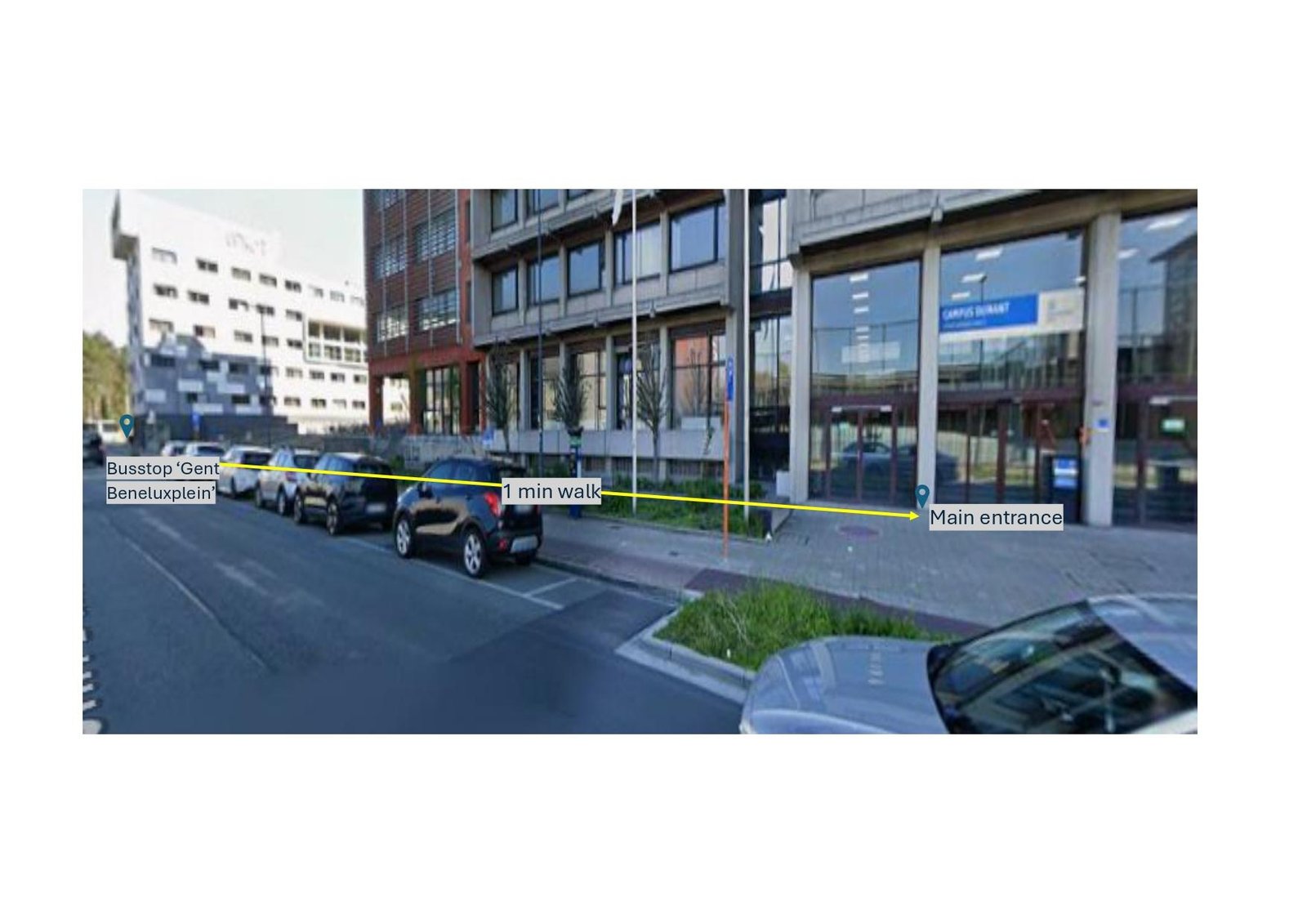
The conference will be held at the Faculty of Psychology and Educational Sciences of Ghent University. The faculty is located at the Henri Dunantlaan 2, 9000 Ghent. This faculty is easily accessible with public transport from the main railway station Gent-Sint-Pieters Station. There you can take bus 9a or 9b on platform 19. You can get off at busstop ‘Gent Beneluxplein’, which stops one minute from the main entrance at Henri Dunant 2. You can also click here to open the Henri Dunantlaan area in Google Maps.
Accomodation
There are numerous high-quality hotels in the city centre of Ghent. The number of stars awarded to a hotel (1 to 5) indicate the level of comfort you might expect. For more information about the hotels and an overview of all possible hotels, we recommend to visit the city website or use Google to find your accommodation. Interesting options are the Ibis in the heart of the historical centre at St. Bavo’s Catehdral, the other Ibis in the city centre at the Opera, Hotel Gravensteen opposite of the world-famous Gravensteen, the Getaway Studios or the 1898 The Post hotel.
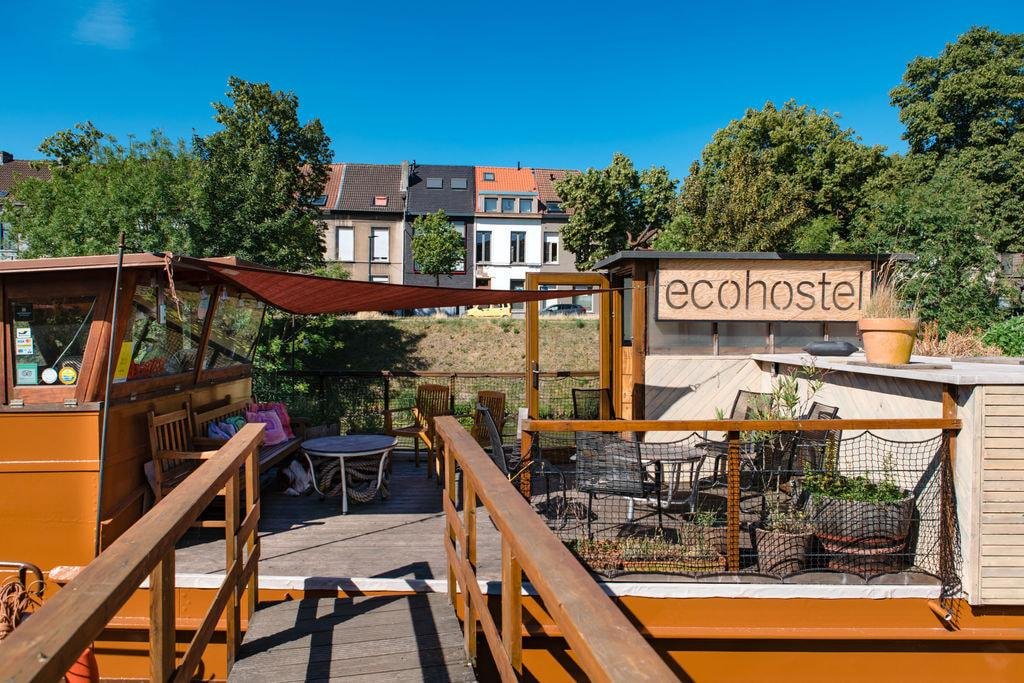
Participants looking for a budget-friendly way of staying in Ghent can stay in one of the many hostels. Check the city website for an overview. We recommend in particular Hostel Uppelink (city centre), Youth Hostel De Draecke (city centre), KaBa Hostel (city centre), Ecohostel Adromeda (converted barge within walking distance of the city centre) and Treck Hostel (indoor campsite with themed caravans and joint rooms).
About Ghent
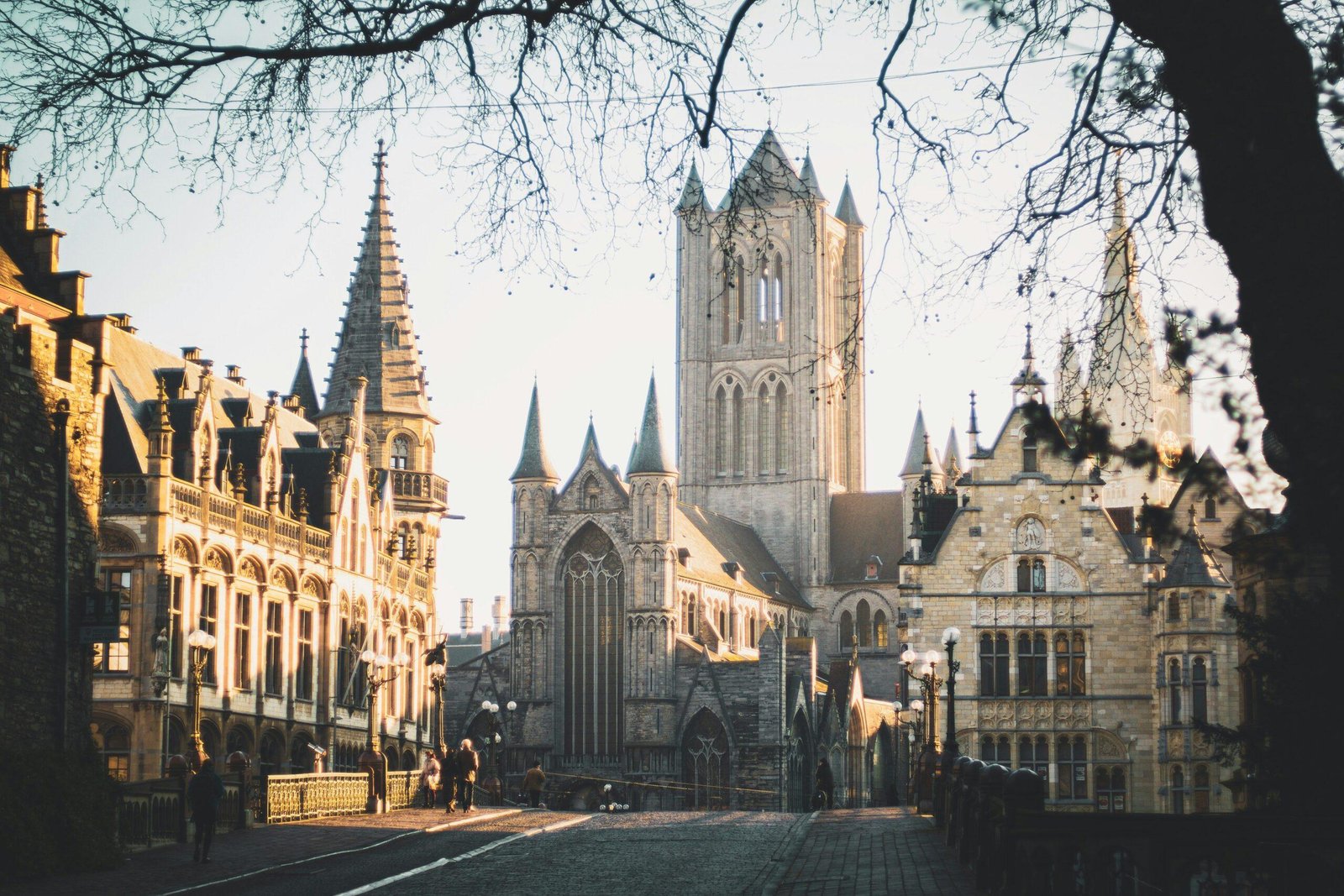
Ghent is the capital of East-Flanders and has about 250,000 inhabitants. According to National Geographic Traveler Magazine, Ghent is the third city in its global ranking of most beautiful cities across the world. Ghent is a lively city with more than 70,000 University and University College students. As the Ghent tourism website shows, there are many things to do in the small, pedestrian and bike friendly city. We would definitely recommend a visit to the Castle of the Counts (make sure to go with the audio guide, voiced by a Flemish comedian), St. Bavo’ Cathedral with the world-famous Adoration of the Mystic Lamb painted by Hubert and Jan van Eyck around 1432, the Beguinages and the Belfry. However, our main recommendation is to take a stroll along the cobblestone streets in the medieval city centre, take some time for the views on St Michael’s bridge and to hang out a bit at the waterside around the Graslei and the Korenlei. The boat tours that leave every half an hour or so from different spots at the Graslei and Korenlei are also a great way of discovering the city.
This conference is organised with the financial support of the Faculty of Psychology and Educational Sciences , the Faculty of Economics and Business Administration , the Faculty of Arts and Philosophy (all Ghent University) and the FWO.